THE DESTINATION REPORT / WORLD WANDER LEDGER
Neva
An expressive journey whose changing companion gives the landscape emotional continuity. The focused route and active encounters serve the relationship, with danger and loss central to the experience rather than incidental to it.
Game facts
- Developer
- Nomada Studio
- Publisher
- Devolver Digital
- Released
- 15 October 2024
- Platforms
- Windows · macOS (Steam edition)
- Model
- Paid game
- PEGI
- 12 — Nintendo Switch edition; not a separate PC classification
- Players
- Single-player
- Length
- Short
- Difficulty
- 2 / 5 · Moderate
- Steam Deck
- Verified
PEGI source ↗ · Steam Deck status source ↗
Edition: Base game
The score, explained
The interest and responsiveness of the core decisions and actions.
How progression, exploration and goals fit together.
The coherence of the visual, musical and narrative presentation.
How clearly the game explains its rules and offers useful ways to engage.
The depth of optional goals, alternative approaches and reasons to return.
A partnership at the centre of the action
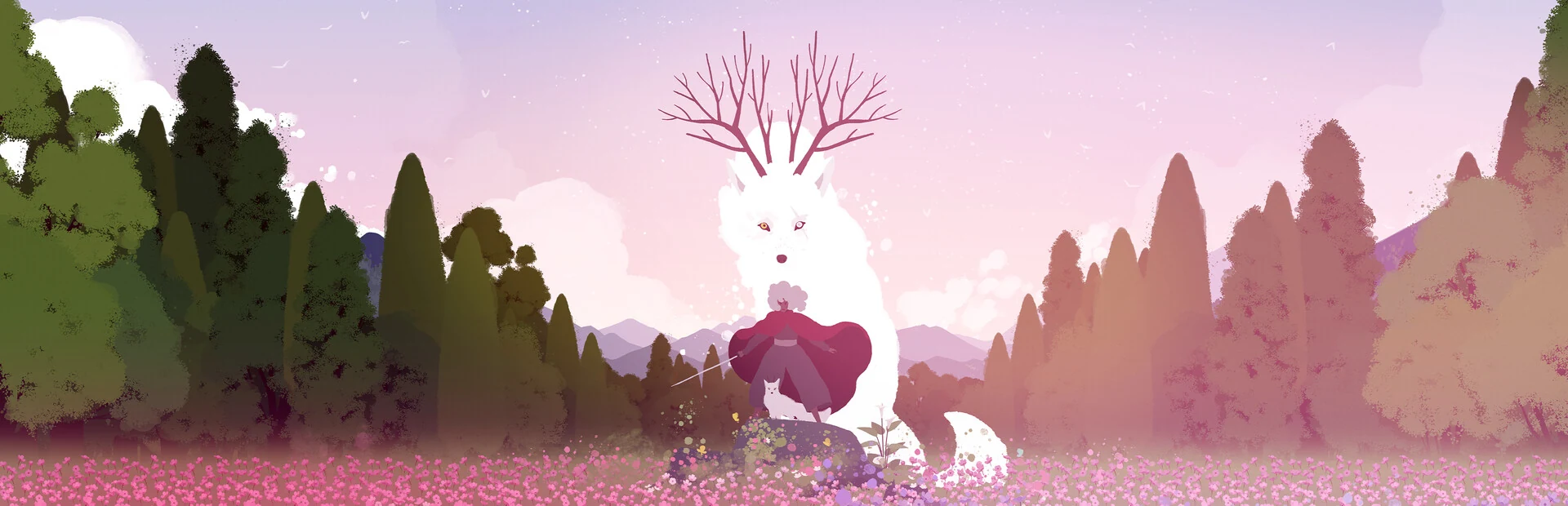
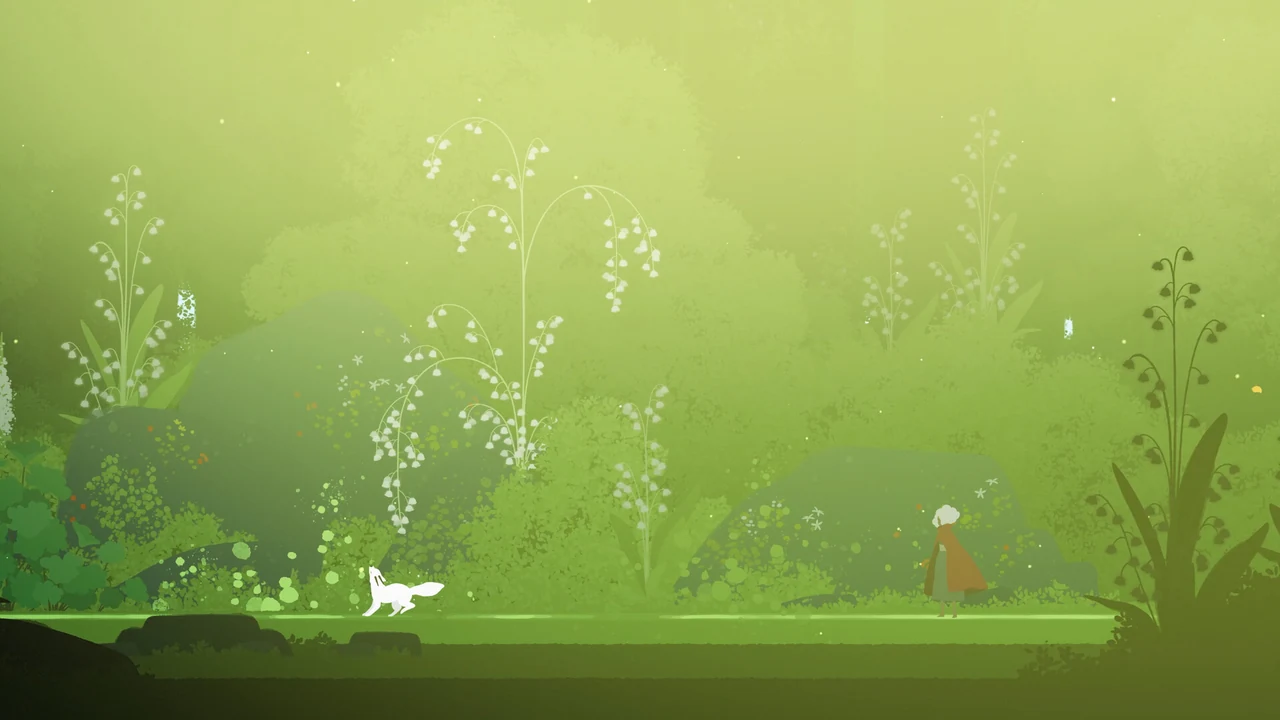
Neva begins with a journey defined by companionship. Alba and the young wolf move through a threatened natural world, and the opening establishes that progress involves attending to the relationship as well as navigating the landscape. The environments are visually expressive, but traversal and encounters require active participation rather than passive observation. As the journey develops, the companion's growth changes the partnership and the way situations can be approached. For an explorer, this creates an interesting form of continuity: the world changes, and so does the traveller beside the protagonist. The early stages invite attention to both. A clearing, a threatening passage or a moment of separation matters partly because of where the pair are in their relationship. The journey's geography is therefore introduced through care and vulnerability, not only through the practical question of reaching the next place.
Growth gives the journey its shape
The changing partnership gives the environment an emotional structure. Growth alters the companion's role, so returning to a familiar kind of challenge does not necessarily mean repeating the same relationship with it. The visual progression supports that development through striking natural spaces and the threat spreading within them. Movement and action keep the bond connected to what the player actually does, which helps the story avoid becoming a separate layer delivered only between playable scenes. For an exploration-focused reader, the strongest attraction is this connection between place and companionship. A landscape can feel more welcoming or more dangerous depending on how the pair can support one another at that stage. Neva's journey is relatively focused, but its changing partnership gives the progression a sense of development beyond simply replacing one attractive background with another.
Beauty does not remove the danger
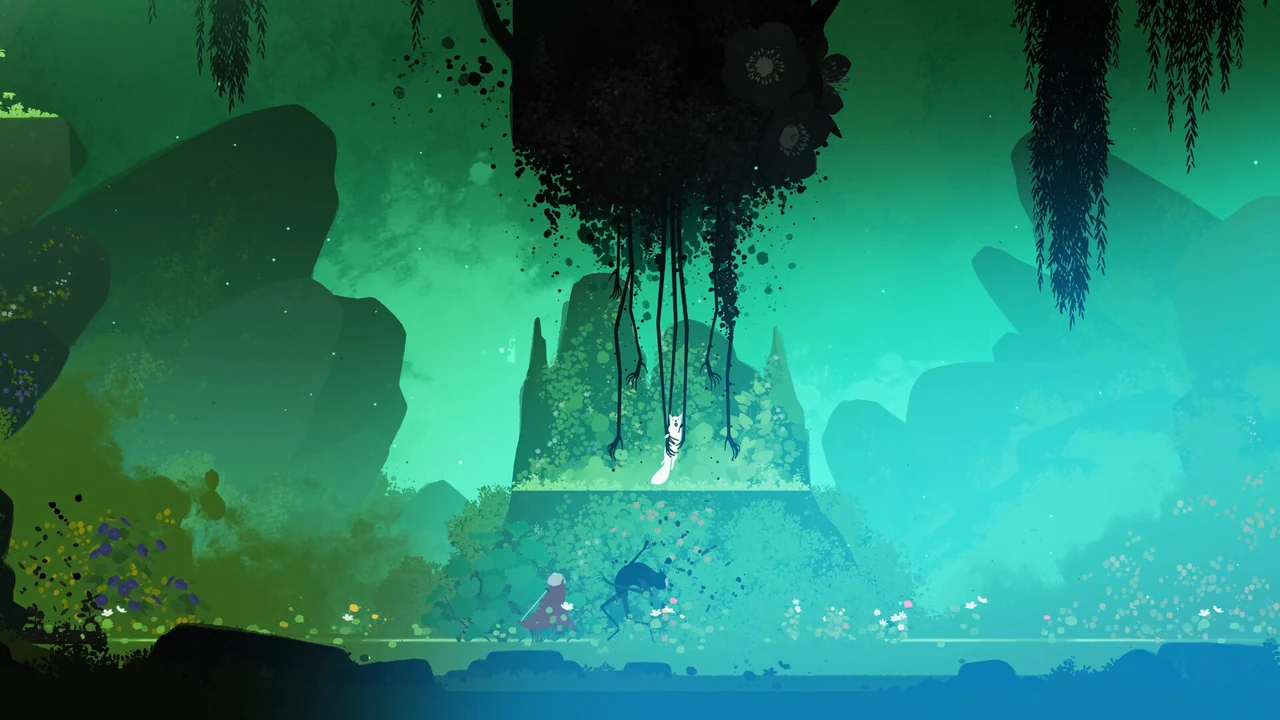
The presentation may suggest a gentler journey than the subject matter provides. Danger and loss are important parts of the emotional framework, and the action introduces execution demands alongside the atmospheric traversal. Players seeking an entirely peaceful excursion should consider that combination before choosing it. The route is also strongly authored, leaving less room for independent destination choices or extensive character customisation than a broader adventure might offer. Its effectiveness depends substantially on responding to the relationship at the centre. Readers who primarily value complex build systems or a large amount of optional geographical exploration may find the structure too restrained. Neva aims for a coherent emotional journey, and its mechanical variety serves that aim. The recommendation is therefore strongest when the companion's development is itself a reason to continue travelling, rather than a secondary detail attached to the scenery.
An authored journey rather than a repeatable build
Choose Neva if the character of a journey is shaped as much by who travels with you as by the destinations encountered. It suits players interested in expressive environments, a developing bond and action that gives that bond practical significance. The changing role of the wolf provides a useful thread through the authored progression, making the adventure appealing when emotional continuity matters more than unrestricted direction. Readers seeking a low-pressure landscape tour should weigh the themes and encounters carefully. This is also a different proposition from a role-playing game built around extensive equipment or skill combinations. Its strongest audience will welcome a focused journey whose places gain meaning through the partnership crossing them. For those travellers, the growth of the companion can make familiar acts of movement and protection feel different as the world and relationship develop together.
The verdict
An expressive journey whose changing companion gives the landscape emotional continuity. The focused route and active encounters serve the relationship, with danger and loss central to the experience rather than incidental to it.
Reasons to play
- The companion's growth changes the meaning of shared travel
- Action and traversal give the relationship practical presence
- Visual progression supports a coherent emotional journey
Reasons to think twice
- Danger and loss make the experience more intense than the art may suggest
- The authored route offers limited build customisation or free direction
See the game
Assist & accessibility
Parents’ guide
Players: Single-player. No in-game purchase marker in the checked Steam listing. Separate downloadable content may be sold.
Age classification: 12. Nintendo Switch edition; not a separate PC classification
A useful starting tip
Notice how the companion's changing role affects your approach to a situation rather than treating every encounter as the same partnership.
A different direction
Compare this with GRIS: A beautifully composed journey through changing colour and atmosphere. Light interaction keeps the landscape active, but the experience depends more on visual and emotional response than on deep systems or free exploration.
Official sources
Reviewed: November 2026
You might also like
 Hollow KnightRead review →
 TUNICRead review →
 ANIMAL WELLRead review →