THE DESTINATION REPORT / WORLD WANDER LEDGER
GRIS
A beautifully composed journey through changing colour and atmosphere. Light interaction keeps the landscape active, but the experience depends more on visual and emotional response than on deep systems or free exploration.
Game facts
- Developer
- Nomada Studio
- Publisher
- Devolver Digital
- Released
- 13 December 2018
- Platforms
- Windows · macOS (Steam edition)
- Model
- Paid game
- PEGI
- 7 — Nintendo Switch edition; not a separate PC classification
- Players
- Single-player
- Length
- Short
- Difficulty
- 2 / 5 · Approachable
- Steam Deck
- Verified
PEGI source ↗ · Steam Deck status source ↗
Edition: Base game
The score, explained
The interest and responsiveness of the core decisions and actions.
How progression, exploration and goals fit together.
The coherence of the visual, musical and narrative presentation.
How clearly the game explains its rules and offers useful ways to engage.
The depth of optional goals, alternative approaches and reasons to return.
Abilities change the way the world is read
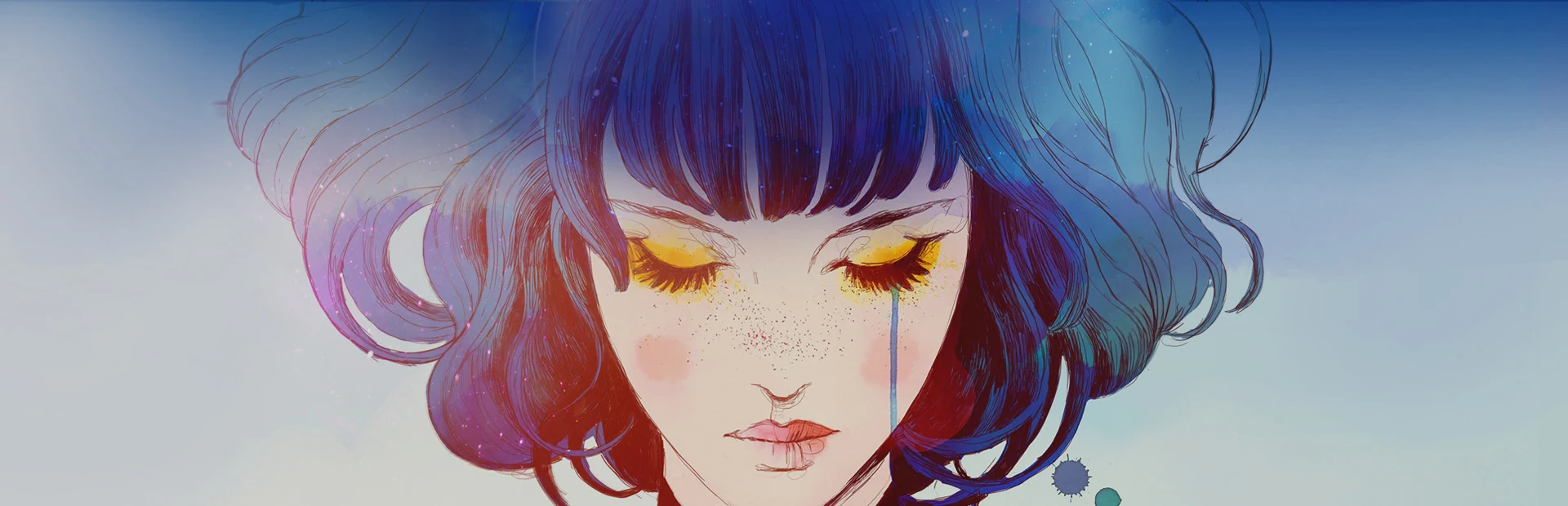
GRIS introduces its journey through a landscape whose colour, shape and movement carry much of the meaning. The opening gives the player relatively light mechanical demands, allowing attention to settle on the world and the figure moving through it. Paths and environmental changes provide direction without relying on extensive dialogue or explicit explanation. As abilities appear, the landscape asks to be read in a slightly different way, with a surface or movement becoming useful where it previously seemed decorative. For an explorer, the early appeal is the sense of travelling through a visual composition that can respond to the journey. The world is not offered as a large territory to master. It is a carefully paced sequence of places whose atmosphere develops alongside the character's growing capacity to move through them and engage with what they contain.
A finite journey with a deliberate pace
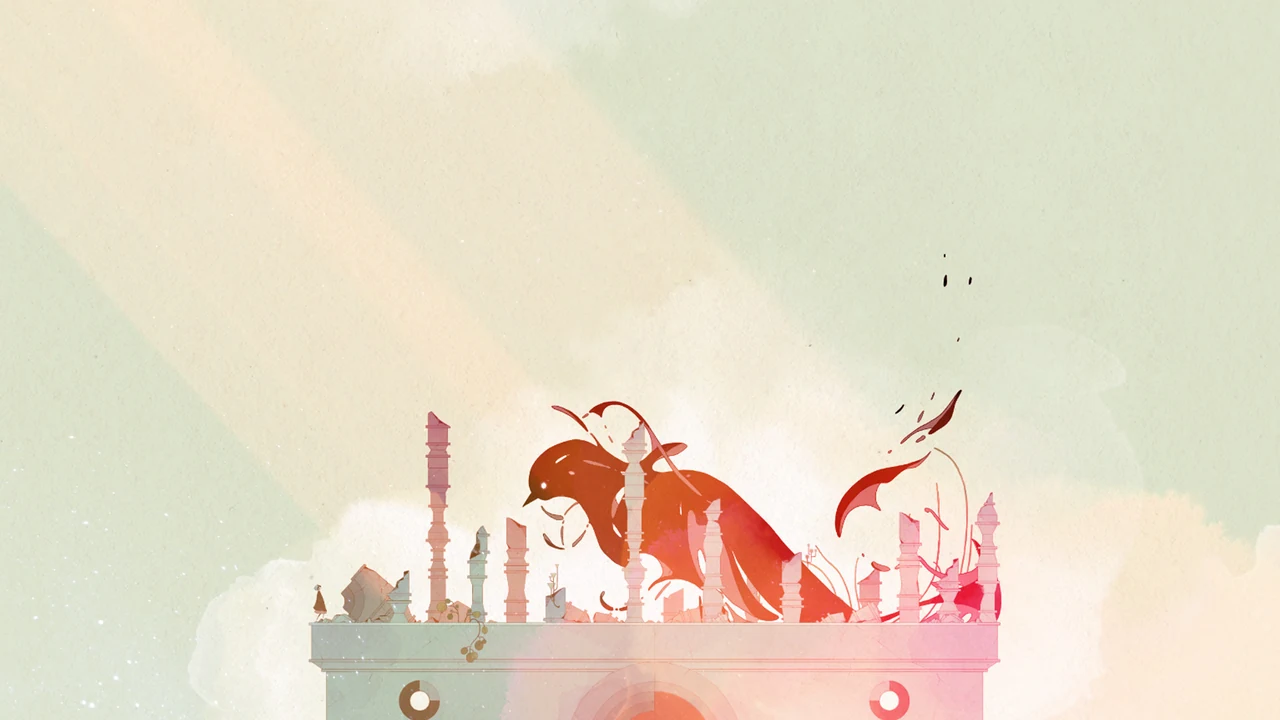
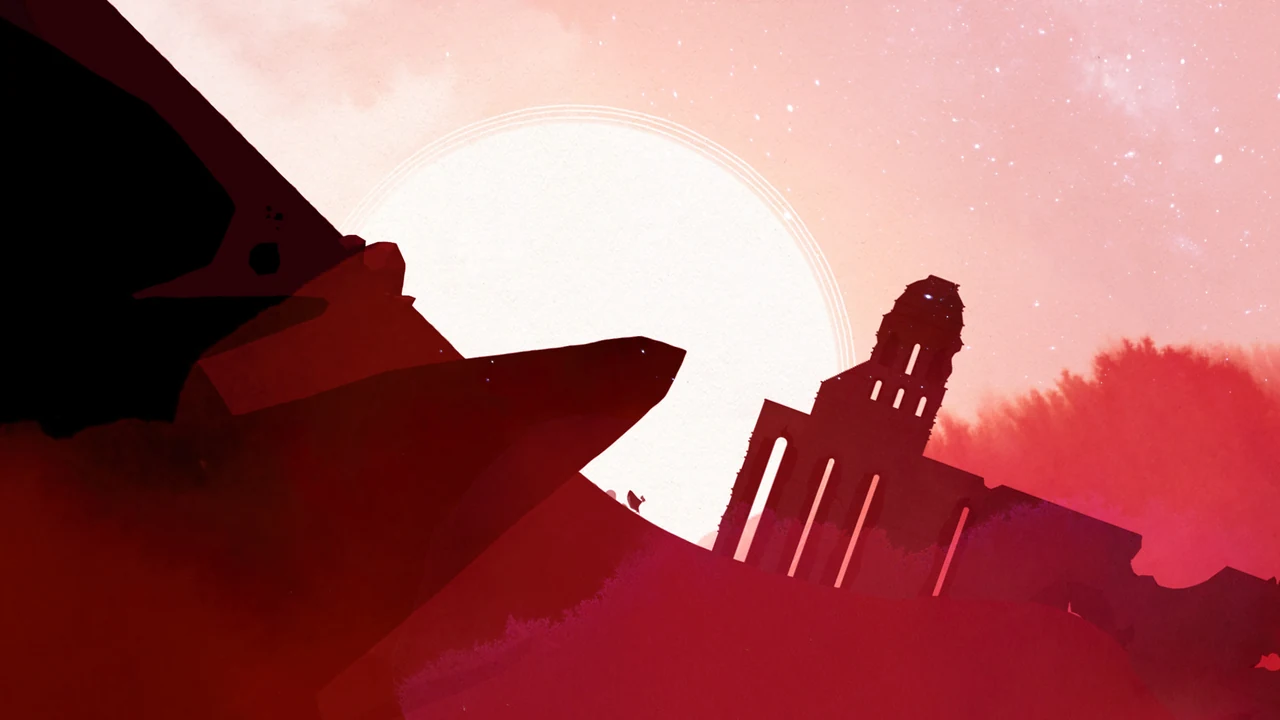
The environments are memorable because presentation and progression share a consistent rhythm. Changes in colour and scenery feel consequential, while new abilities give the player an active relationship with those changes. The light puzzles provide enough participation for the journey to remain a game without constantly diverting attention into complex systems. This suits an exploration style centred on noticing composition, animation and the way a place changes as it is crossed. The compact structure also helps the world retain a clear emotional and visual arc. A destination does not need an extensive quest log to matter when its arrival changes the entire character of the scene. GRIS is strongest at those transitions, where movement and presentation make a new region feel like a development in the journey rather than simply another background placed behind the same set of tasks.
Colour and movement carry the expression
The same restraint that supports the atmosphere limits the depth of its systems. Readers who want demanding puzzles, intricate character builds or extensive freedom of direction may find the journey too prescribed. The environmental challenges generally serve the presentation, so their solutions are not always the main event. The story is also deliberately indirect. Players who prefer clear dialogue, explicit motives and a fully explained sequence of events may find the emotional imagery difficult to connect with. There is limited replay variation once the main visual progression is familiar, although the scenery can remain attractive on another visit. GRIS therefore needs to be selected for the experience it prioritises. It is an expressive, authored journey whose value rests heavily on the player's response to its atmosphere, rather than a broad exploration system with many independently rewarding activities.
Choose an expressive journey
Choose GRIS when you want an exploration experience led by atmosphere, imagery and a controlled sense of progression. It suits players who enjoy noticing how a scene changes and who are comfortable allowing a story to remain partly symbolic. The modest puzzle demands make it an appealing change of pace from worlds that require constant combat or complex planning. Readers looking for a substantial challenge or the freedom to chart a personal route should consider another destination. The game works best when movement through a carefully composed place is already a meaningful activity. Its compactness can then be an advantage, keeping the visual development coherent without demanding a long commitment to secondary systems. For travellers interested in the emotional character of a landscape, GRIS offers a distinctive journey whose strongest discoveries are changes in mood, colour and possibility.
The verdict
A beautifully composed journey through changing colour and atmosphere. Light interaction keeps the landscape active, but the experience depends more on visual and emotional response than on deep systems or free exploration.
Reasons to play
- Environmental changes give the journey a clear visual progression
- Movement abilities connect the player with the changing scenery
- A compact structure maintains a coherent atmosphere
Reasons to think twice
- Puzzles and progression offer limited mechanical depth
- Indirect storytelling may not provide enough narrative clarity for everyone
See the game
Assist & accessibility
Explore the available settings and control options on the official game page before choosing your setup.
Parents’ guide
Players: Single-player. No in-game purchase marker in the checked Steam listing. Separate downloadable content may be sold.
Age classification: 7. Nintendo Switch edition; not a separate PC classification
A useful starting tip
When a new ability appears, look again at the shape and movement of the environment before searching for an explicit instruction.
A different direction
Compare this with Neva: An expressive journey whose changing companion gives the landscape emotional continuity. The focused route and active encounters serve the relationship, with danger and loss central to the experience rather than incidental to it.
Official sources
Reviewed: November 2026
You might also like
 Hollow KnightRead review →
 TUNICRead review →
 ANIMAL WELLRead review →