THE DESTINATION REPORT / WORLD WANDER LEDGER
TUNIC
A compact island with remarkable depth of discovery. Manual pages and concealed routes repeatedly change the meaning of familiar places, though exploration shares the journey with serious combat and deliberate uncertainty.
Game facts
- Developer
- TUNIC Team
- Publisher
- Finji
- Released
- 16 March 2022
- Platforms
- Windows · macOS (Steam edition)
- Model
- Paid game
- PEGI
- 7 — Nintendo Switch download edition edition; not a separate PC classification
- Players
- Single-player
- Length
- Medium
- Difficulty
- 4 / 5 · Challenging
- Steam Deck
- Verified
PEGI source ↗ · Steam Deck status source ↗
Edition: Base game
The score, explained
The interest and responsiveness of the core decisions and actions.
How progression, exploration and goals fit together.
The coherence of the visual, musical and narrative presentation.
How clearly the game explains its rules and offers useful ways to engage.
The depth of optional goals, alternative approaches and reasons to return.
The manual is part of the adventure
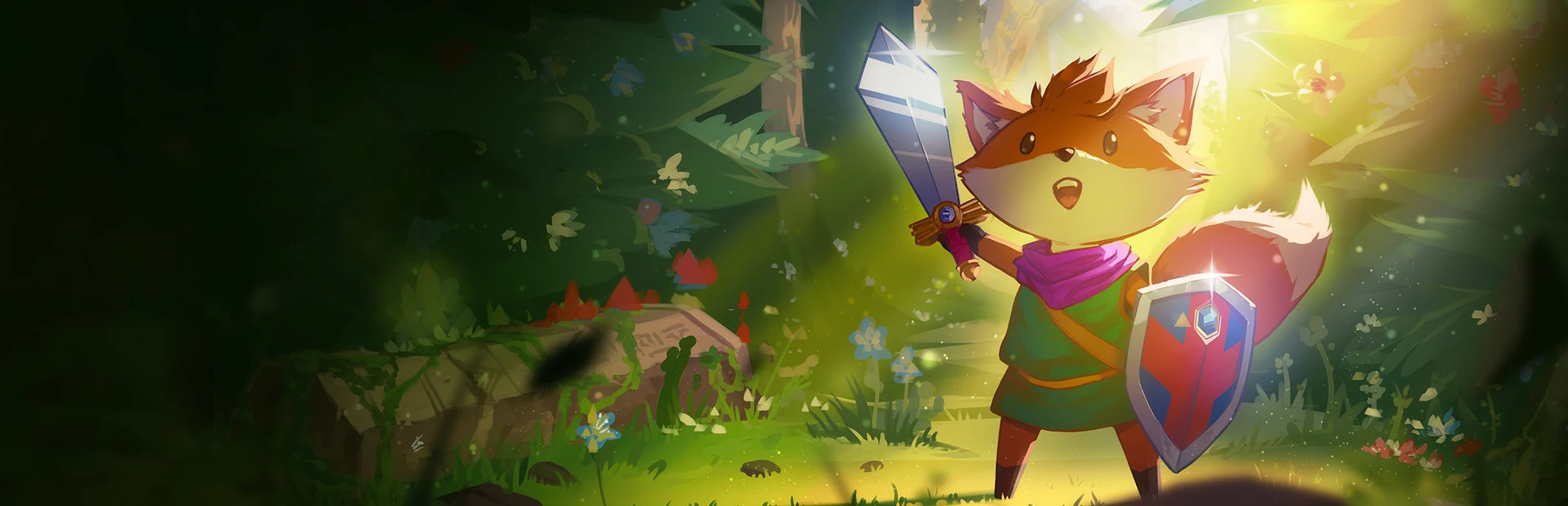
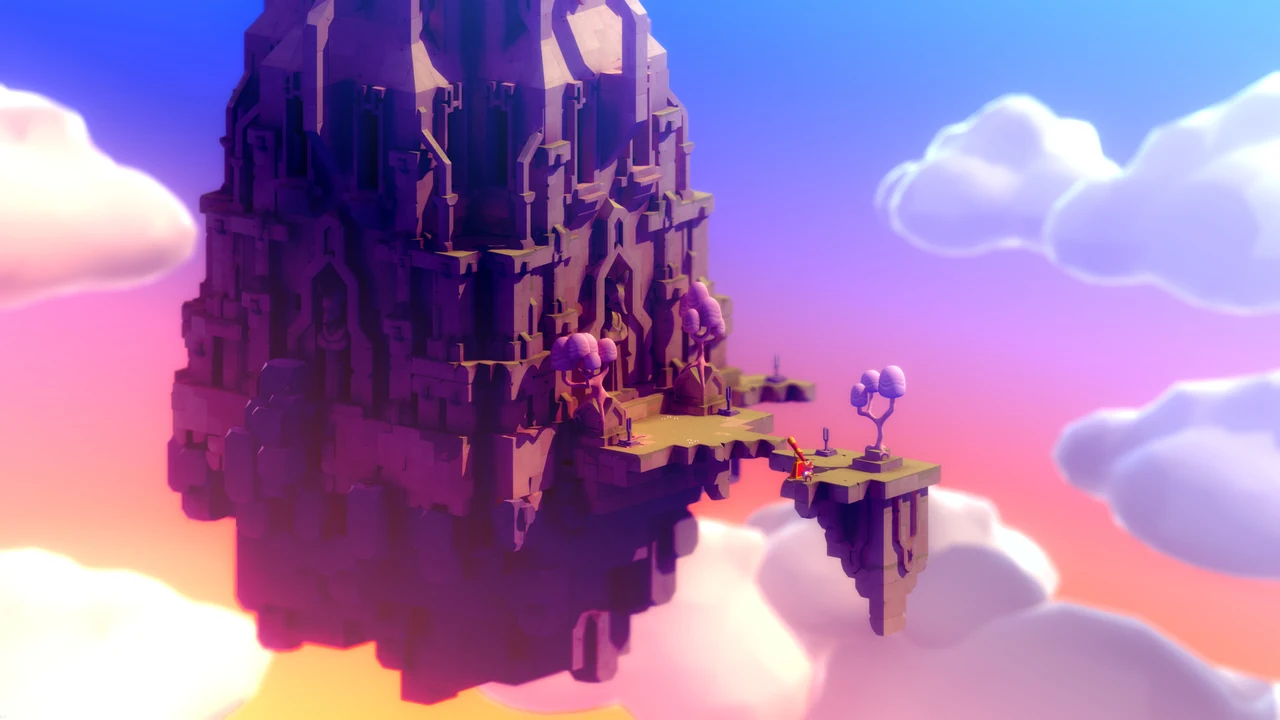
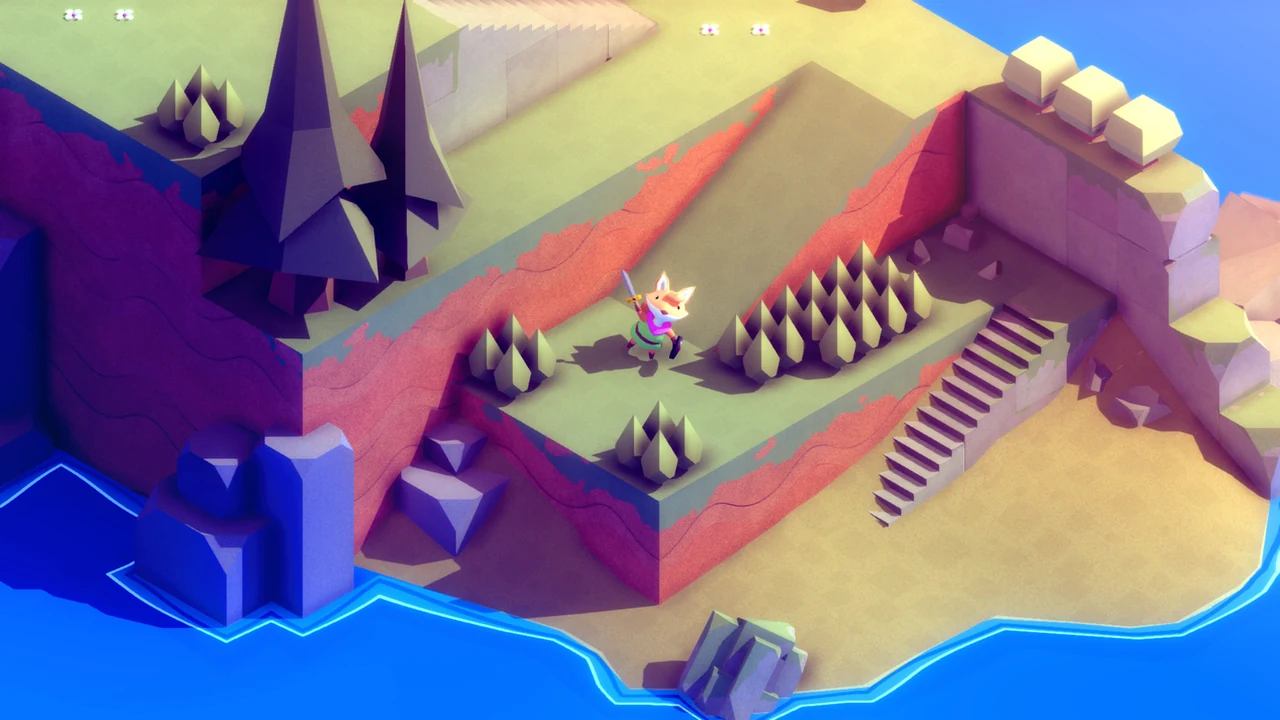
TUNIC's island initially looks easier to read than it really is. A small fox moves through inviting scenery, but paths disappear behind structures, unfamiliar signs conceal their meaning and hostile creatures make careless travel expensive. The opening encourages the explorer to look around the edges of what the camera first presents. A narrow connection or a route back to safety can be more important than the obvious landmark ahead. Scattered manual pages gradually provide another way of understanding the landscape. Their illustrations connect physical locations with information the player may not yet know how to use. The result is an opening built around partial familiarity: the island feels recognisable as an adventure space, while repeatedly revealing that its surfaces and instructions contain more than they initially disclose. Learning the place requires attention as well as movement.
Knowledge changes familiar places
The world is especially satisfying because discovery changes interpretation, not just access. A page in the manual can make a familiar landmark meaningful, and a new piece of knowledge may reveal a route through an area that seemed fully explored. This gives the island a layered quality without requiring an enormous geographical footprint. Shortcuts and concealed connections encourage close observation of its architecture, while the manual provides a portable record of clues that can be reconsidered between journeys. The visual presentation supports this relationship by making locations memorable enough to connect with their illustrations. For an explorer, the strongest moments occur when an old place becomes newly legible. The landscape has not changed, but the player's understanding has, and that difference creates the feeling of finding something substantial within ground that has already been travelled.
A small hero in a carefully framed world
The island's concealed information can make an unsuccessful expedition difficult to diagnose. A barrier might require another item, a hidden route or a piece of knowledge the player has overlooked. Without recognising which kind of problem is present, returning to the same location can become frustrating. Combat also remains a serious part of the journey, with encounters that demand more than geographical curiosity. Assistance settings can alter that physical challenge, but the game still expects attention to diagrams and environmental details. Players who want a straightforward tour through attractive locations may find the investigation more demanding than the art suggests. The late mysteries deepen this commitment further. TUNIC rewards close reading of its world, yet that reward depends on accepting that progress sometimes begins by questioning an assumption rather than travelling to another clearly marked destination.
For curiosity that survives confusion
TUNIC is an excellent destination for explorers who believe a small world can hide a large amount of meaning. Choose it if noticing an overlooked stairway or connecting a diagram with a real landmark feels more rewarding than covering a vast map. The island encourages repeated investigation, and the manual gives those returns a useful intellectual thread. Players who dislike withheld instructions or demanding battles should consider whether its mixture suits them. Curiosity alone will not remove every obstacle, although combat assistance can make the investigative side more accessible. The most satisfying approach is to remain suspicious of apparent completeness. A familiar room, a page already collected or an ordinary-looking feature may still have something to reveal. For readers who enjoy that possibility, the game makes revisiting a landscape feel like continuing the adventure rather than repeating it.
The verdict
A compact island with remarkable depth of discovery. Manual pages and concealed routes repeatedly change the meaning of familiar places, though exploration shares the journey with serious combat and deliberate uncertainty.
Reasons to play
- Knowledge can reveal new possibilities in old locations
- Memorable architecture connects naturally with manual clues
- A compact world supports unusually layered investigation
Reasons to think twice
- It can be unclear which kind of obstacle is preventing progress
- The inviting scenery contains demanding encounters
See the game
Assist & accessibility
Explore the available settings and control options on the official game page before choosing your setup.
Parents’ guide
Players: Single-player. No in-game purchase marker in the checked Steam listing. Separate downloadable content may be sold.
Age classification: 7. Nintendo Switch download edition edition; not a separate PC classification
A useful starting tip
Revisit a collected manual page after making a discovery; an illustration that looked decorative may now contain a useful instruction.
A different direction
Compare this with ANIMAL WELL: A mysterious, interconnected habitat that rewards returning with a new idea. Its creatures, tools and environmental responses make small rooms feel rich, while sparse guidance leaves the depth of the journey largely to the player.
Official sources
Reviewed: November 2026
You might also like
 Hollow KnightRead review →
 ANIMAL WELLRead review →
 Ori and the Blind Forest: Definitive EditionRead review →