THE DESTINATION REPORT / WORLD WANDER LEDGER
Death's Door
A characterful action expedition through compact, memorable regions. Shortcuts and new capabilities make exploration useful, while its focused scale and demanding encounters favour players who enjoy fighting as part of the journey.
Game facts
- Developer
- Acid Nerve
- Publisher
- Devolver Digital
- Released
- 20 July 2021
- Platforms
- Windows (Steam edition)
- Model
- Paid game
- PEGI
- 12 — Steam UK listing
- Players
- Single-player
- Length
- Short
- Difficulty
- 4 / 5 · Challenging
- Steam Deck
- Verified
PEGI source ↗ · Steam Deck status source ↗
Edition: Base game
The score, explained
The interest and responsiveness of the core decisions and actions.
How progression, exploration and goals fit together.
The coherence of the visual, musical and narrative presentation.
How clearly the game explains its rules and offers useful ways to engage.
The depth of optional goals, alternative approaches and reasons to return.
A day job with dangerous interruptions
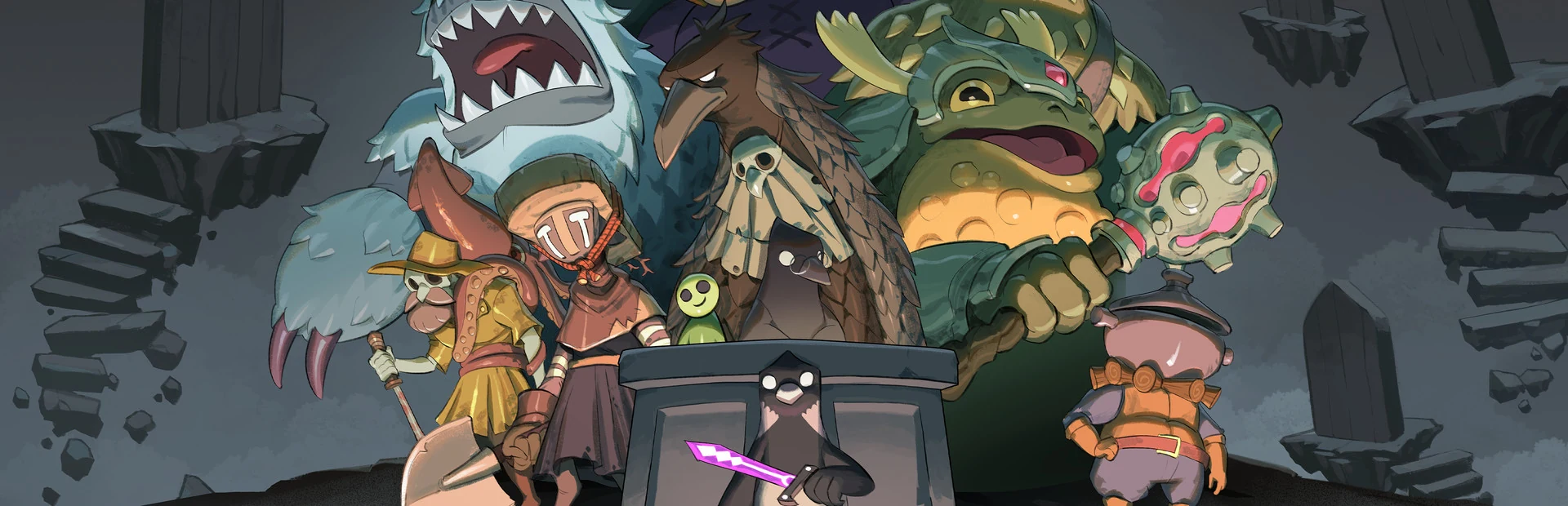
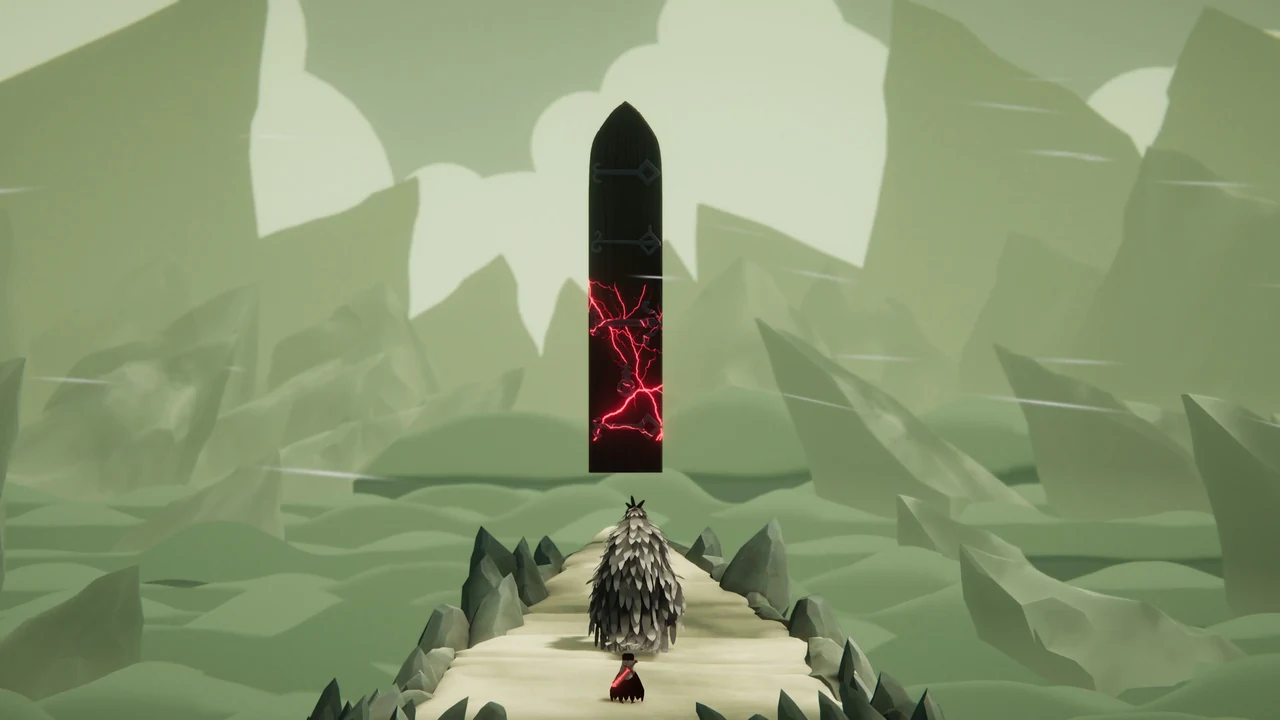
Death's Door sends a small crow into a world where the work of collecting souls becomes an excuse to travel through eccentric and dangerous places. The opening establishes a clear practical rhythm: investigate a route, deal with the creatures along it and look for the connections that make the next journey easier. Its spaces are more compact than a sprawling role-playing world, which helps landmarks and shortcuts remain useful in memory. Character upgrades and new capabilities give exploration a concrete purpose beyond seeing another location. The dry humour also makes the setting welcoming without removing the threat posed by its encounters. For a traveller, the early appeal is the sense that each area has been arranged to be learned. Progress means becoming familiar with its hazards, its routes and the opportunities that were initially visible but inaccessible.
Exploration with a clear job to do
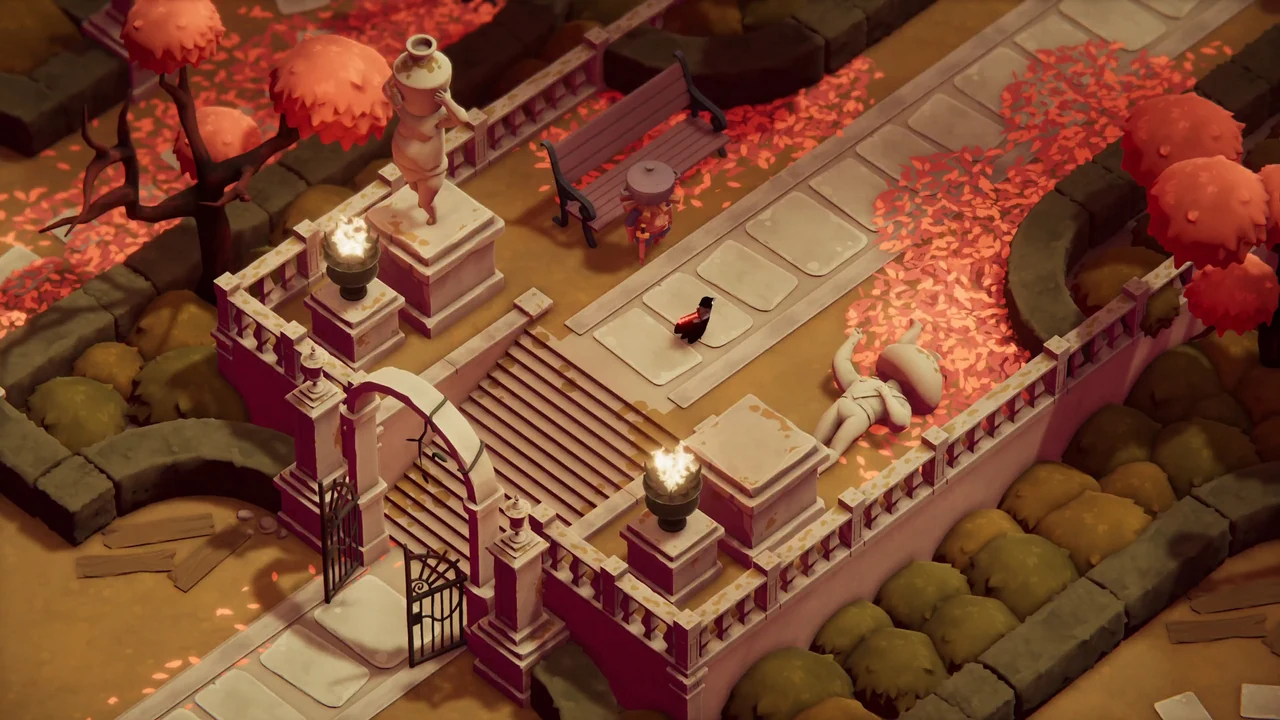
The world succeeds by giving its relatively focused regions personality. Unusual inhabitants, visual contrasts and a consistently wry tone make an expedition feel like a visit to a particular place rather than a sequence of interchangeable combat rooms. Exploration and character development also reinforce each other. New options create reasons to reconsider old routes, while finding a useful connection makes movement through an area more efficient. The game's compact scale helps those returns remain legible. Combat supplies enough pressure for a shortcut or upgrade to feel practically valuable, and the readable action keeps the main activity closely connected to the places being explored. The strongest discovery is often modest but meaningful: another route, an overlooked reward or a fresh use for a capability. Death's Door builds an appealing adventure from those small improvements in familiarity and freedom.
Bleak without losing its sense of humour
The action remains a significant condition of the recommendation. Enemies and bosses require attention to timing, and a player interested mainly in investigating the setting may need repeated attempts before an expedition can continue. The focused scale also limits the sense of free direction. There are side discoveries and revisited routes, but the game does not provide the broad character systems or expansive wilderness of a large role-playing adventure. Readers who want every journey to produce a radically different build may find the progression restrained. Its humour gives the world personality, yet the central rhythm still returns frequently to combat and navigation. The game works best when those activities are welcome together. If fighting feels like a toll paid to reach the next amusing character or attractive location, the relatively compact journey can still become more demanding than expected.
A focused alternative to a sprawling quest
Choose Death's Door for an exploration adventure with a clear shape, memorable personality and meaningful action. It suits players who enjoy learning compact regions, finding shortcuts and returning with a capability that changes what can be reached. The setting's humour makes those journeys distinctive, while combat keeps improvements useful rather than merely decorative. Readers seeking an enormous open world or extensive role-playing customisation should select a broader game. This one's appeal lies in the care of its arrangement and the character of the places along the route. A willingness to practise timing is important, particularly when a boss stands between the crow and the next destination. For explorers who like their discoveries tied to a focused action system, it offers an engaging journey in which a modest new connection can make the world feel substantially more familiar.
The verdict
A characterful action expedition through compact, memorable regions. Shortcuts and new capabilities make exploration useful, while its focused scale and demanding encounters favour players who enjoy fighting as part of the journey.
Reasons to play
- Compact regions make routes and landmarks easy to retain
- Shortcuts and upgrades have clear practical value
- Dry humour gives the destinations a distinctive personality
Reasons to think twice
- Boss encounters can halt an otherwise understood route
- The focused adventure offers limited role-playing breadth
See the game
Assist & accessibility
Explore the available settings and control options on the official game page before choosing your setup.
Parents’ guide
Players: Single-player. No in-game purchase marker in the checked Steam listing. Separate downloadable content may be sold.
Age classification: 12. Steam UK listing
A useful starting tip
Treat a new enemy as a timing problem before spending every opening on another attack.
A different direction
Compare this with Hyper Light Drifter: A visually memorable expedition through an evocative ruined world. Branching routes and practical discoveries reward curiosity, while demanding action and limited explanation make the journey deliberately resistant.
Official sources
Reviewed: November 2026
You might also like
 Hollow KnightRead review →
 TUNICRead review →
 ANIMAL WELLRead review →